Refineries and fuel terminals
Map process wastewater and drainage around tank farms and loading areas. Review how potentially oily flows are separated and whether treatment capacity is adequate.

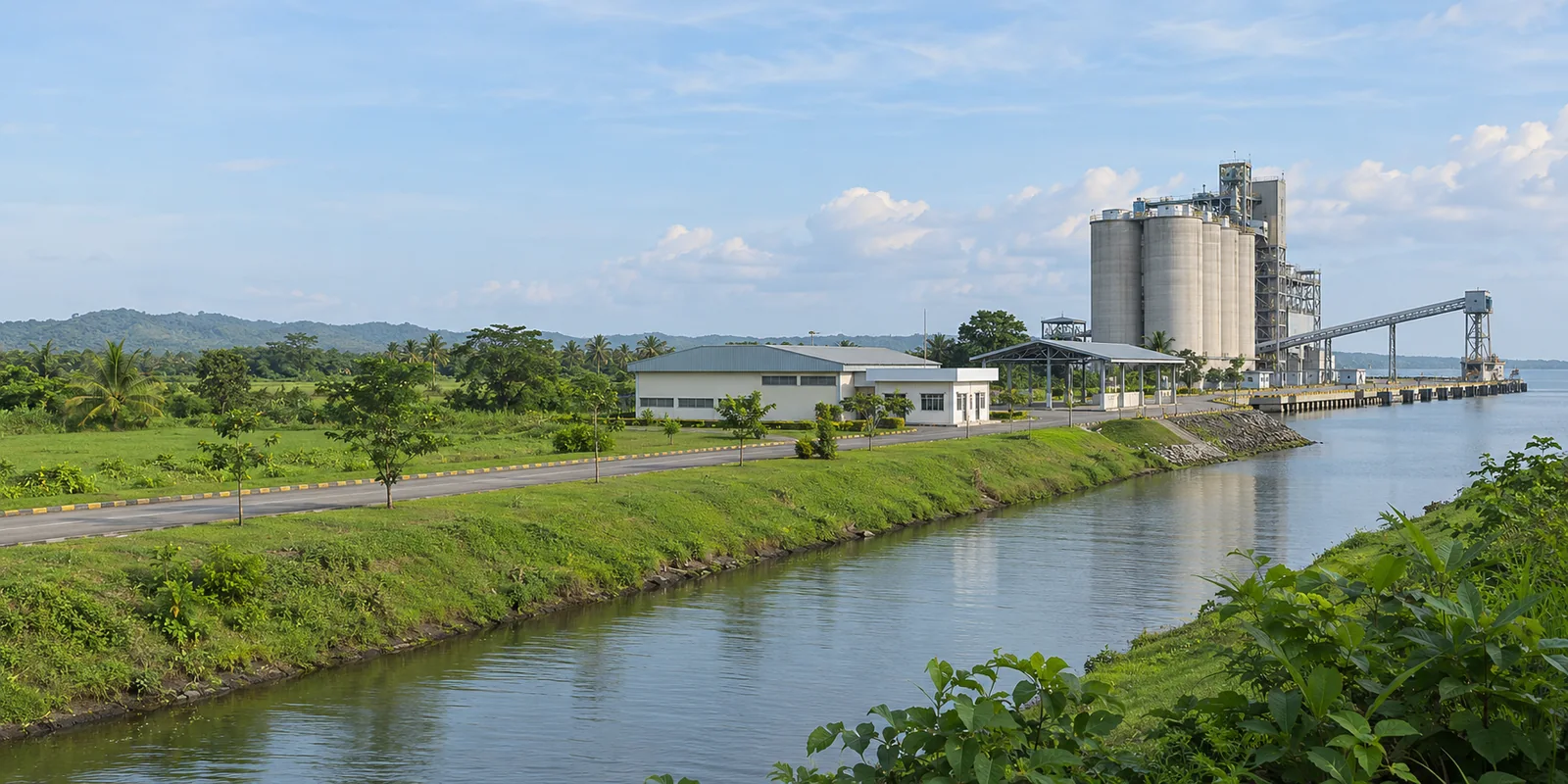
Ganeca helps refineries, cement plants, and industrial terminals in Cilacap manage wastewater, runoff, and environmental monitoring from initial study through operations.
Map process wastewater and drainage around tank farms and loading areas. Review how potentially oily flows are separated and whether treatment capacity is adequate.
Evaluate runoff from material storage and haul roads. Identify where to control suspended solids and where dust monitoring is needed around the facility.
Review drainage across stockpiles and loading areas. Mapping drains helps locate runoff controls and monitoring points before flows reach coastal waters.
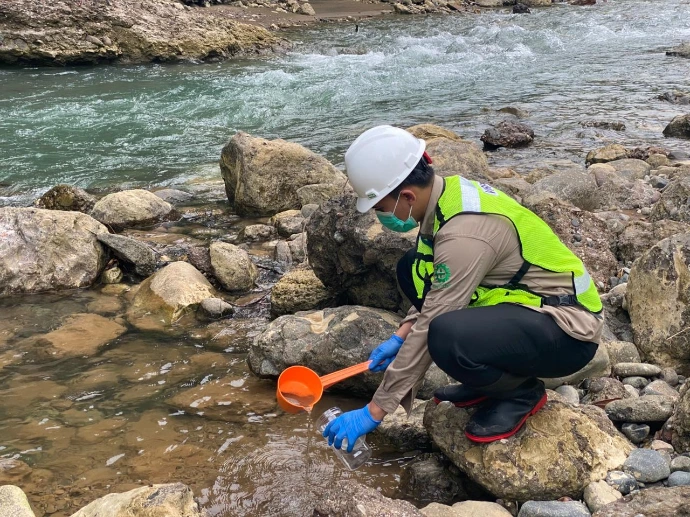
Review changes in capacity, processes, or layout to define the studies and environmental documentation required.
Evaluate wastewater flow and characteristics, treatment unit capacity, and the discharge or handover point.
Select monitoring points, parameters, and timing that represent site activities. Assess SPARING requirements where applicable.
Share site and drainage plans, processes and production capacity, plus available records of flow and water quality. Include the locations of existing monitoring points.
Record where ponding or discoloration occurred, when it happened, which activities were under way, and the rainfall conditions. Those records help identify the flow paths to investigate.
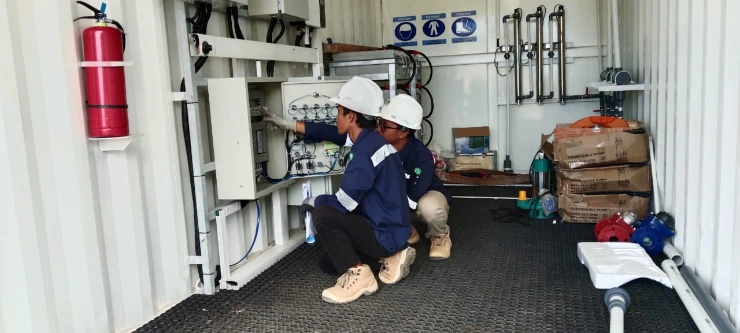
Tell us about the facility, its location, and the decision you are preparing to make so our team can help define the initial scope of work.