Ganeca helps manufacturers assess existing wastewater treatment plants, design systems for new or expanding facilities, and improve performance through operation and maintenance.
The scope depends on plant condition, wastewater characteristics, and the performance targets you need to meet.
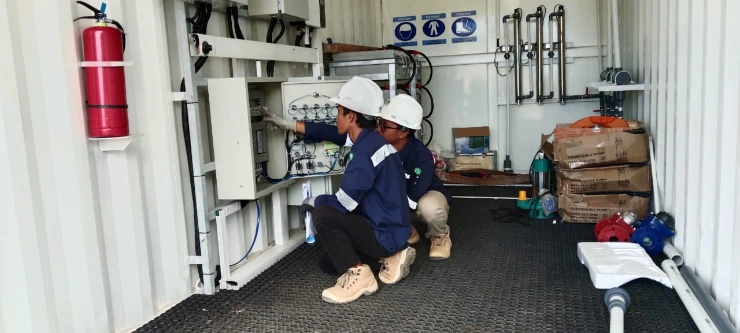
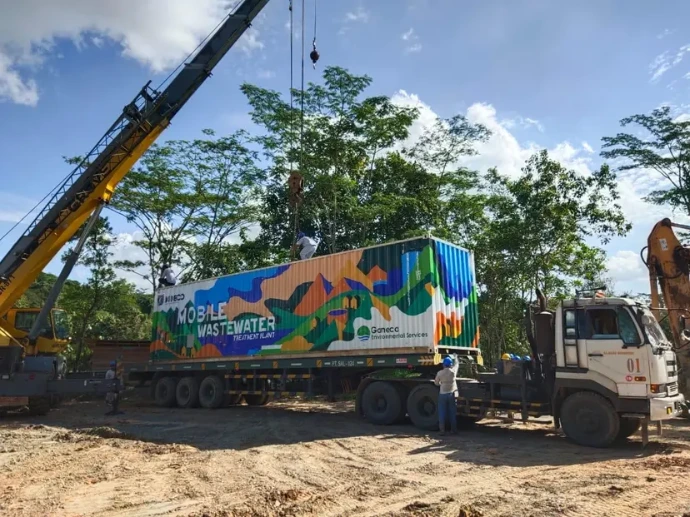
Ganeca modular wastewater treatment unit.
Audit an Existing Treatment Plant
If effluent quality fluctuates or operating costs rise, Ganeca reviews flow, monitoring results, unit performance, equipment condition, and operating practices. The assessment identifies improvements and whether treatability testing would help.
Design a Treatment Plant or Expand Capacity
For new or expanding facilities, we develop the design basis from wastewater characteristics, average and peak flows, effluent targets, and available space. Depending on the scope, we can support process design, construction, and commissioning.
Operate and Maintain a Treatment Plant
Ganeca supports plant teams with performance monitoring, preventive maintenance, chemical-use reviews, and regular reporting. Operating data help set process controls and prioritize improvements.
Wastewater Characteristics by Industry
Food and beverage
Review how production and cleaning cycles change flow and organic loading.
Textiles
Map how colour, pH, and flow vary by process or production batch.
Consumer goods
Identify streams from product changeovers and line cleaning when planning sampling.
Frequently Asked Questions
How does process wastewater differ from domestic sewage at a factory?
Process wastewater comes from production activities, including equipment and material washing. Domestic sewage comes from sanitary facilities such as toilets and washrooms. Identifying each stream separately helps establish the design and monitoring basis.
Does an existing treatment plant have to be replaced when production expands?
An audit can show which units are nearing capacity and whether operating adjustments or targeted upgrades are sufficient. The decision depends on flow, pollutant loading, effluent targets, and equipment condition.
When is treatability testing useful?
Treatability testing can help when wastewater characteristics vary or several treatment options need to be compared. Results inform process selection and the design basis.
What to Bring to Your Consultation
For an initial discussion, tell us about your facility and share the information you already have.
Site location, production process, and production capacity.
Average and peak flow, and wastewater test results if available.
Current treatment plant condition, operating concerns, and effluent targets.